

Medical providers often want clarity before entering into any legal arrangement involving PIP claim recovery, especially when patient data and reimbursement disputes are involved. That caution is appropriate, PIP cases require access to medical records, billing documentation, and other protected health information (PHI), which must be handled carefully and in compliance with privacy laws. An attorney-provider agreement exists to
Read More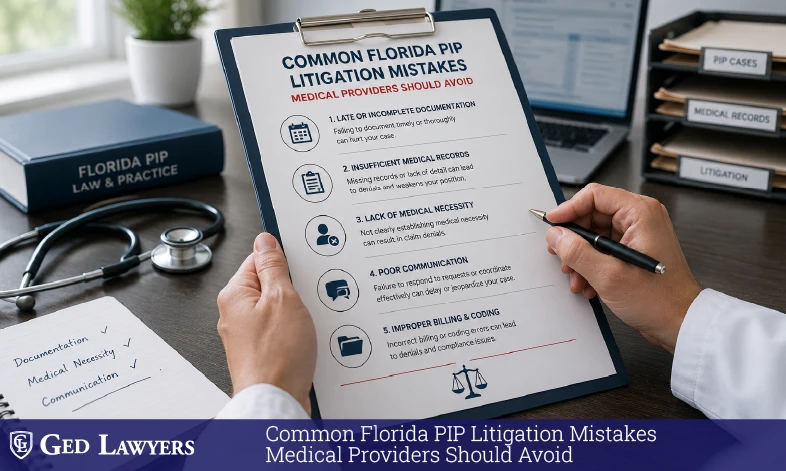
Florida medical providers dealing with Personal Injury Protection (PIP) claims often face a frustrating mix of delayed payments, reduced reimbursements, and outright denials. Even when treatment is clearly documented and medically necessary, insurers may still apply reductions or dispute payment amounts. What makes Florida PIP especially challenging is that it is not purely administrative. It
Read More
Personal Injury Protection (PIP) is supposed to be the straightforward part of treating an accident patient. A provider delivers medically necessary care, submits the claim under the state’s PIP fee schedule, and gets paid according to established reimbursement rules. That’s the theory. In practice, medical practices, chiropractic clinics, physical therapy offices, orthopedic groups, and imaging centers see something different
Read More
Medical providers treating accident patients often depend on timely PIP reimbursements. Let us find out why correct claim submissions alone are not enough for the recovery payment. This reimbursement procedure does not always go as planned. Auto insurance companies can delay review, ask for more details, lower payouts, or reject applications after they are submitted. Small problems become more difficult to fix
Read More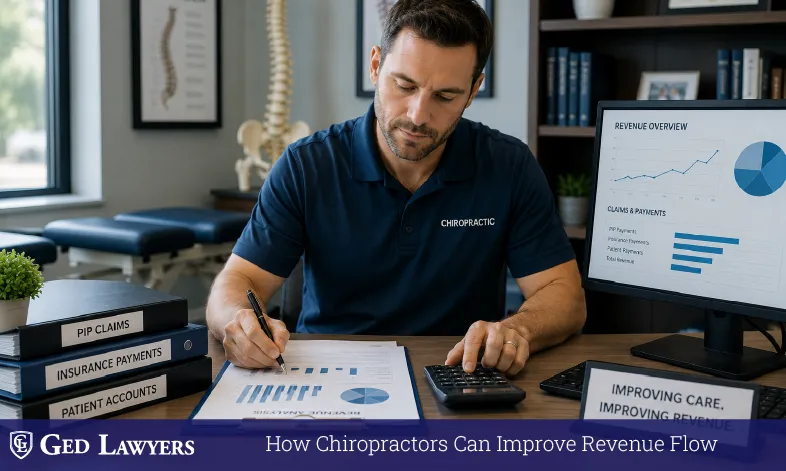
Chiropractors in general have a healthy stream of revenue flowing in, particularly related to auto accidents, personal injuries, and musculoskeletal conditions. Many chiropractic providers face cash flow gaps caused by delayed insurance payments, underpaid claims, and billing denials. PIP (Personal Injury Protection) claims and accident-related treatment and claims can become a bit complex. In any auto-related accident, auto insurance
Read More
Medical providers often hire law companies to help them get back lost revenue, settle PIP disputes, handle insurance cases, and do work related to compliance. This is when protected health information about patients, like medical notes, billing files, and more, is shared. After giving this information, you are still responsible for it. You are still in
Read More
Personal Injury Protection helps pay medical providers who treat patients after car accidents in Massachusetts. The state follows a no fault system, so you often bill PIP insurers directly for this care. Some claims do not go through as expected. Payments may get delayed, reduced, or denied. These issues can make it harder to recover the full amount. When
Read More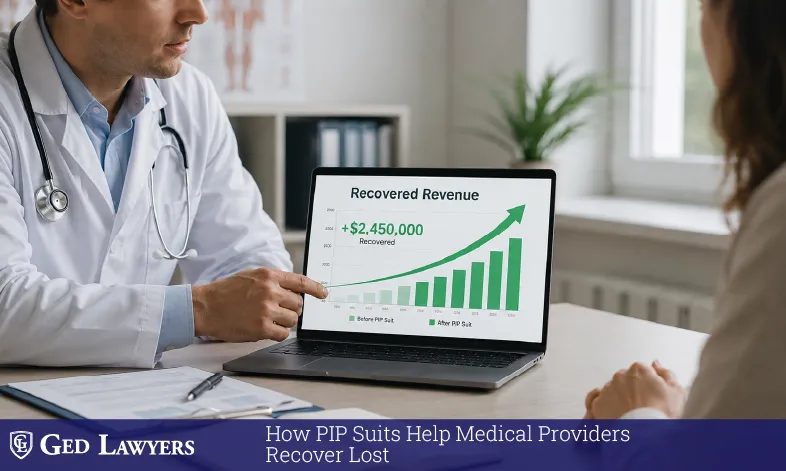
Medical providers who treat auto accident cases often rely on Personal Injury Protection (PIP) insurance regulations for payment. They are dependent on (PIP) insurance as a primary source of reimbursement, and their primary insurance becomes secondary. However, many PIP claims are underpaid, reduced, or denied, creating slow but steady revenue gaps. Providers often ignore these denials, and they gradually pile up. Small yet
Read More
Medical providers across Massachusetts who treat auto accident patients rely heavily on Personal Injury Protection (PIP) reimbursements to support consistent cash flow. While many practices conduct an initial review of their PIP claims, it’s not uncommon to still experience lower-than-expected reimbursement. The reality is that PIP billing in Massachusetts is complex. Between insurer adjustments, fee schedule interpretations, and documentation requirements, small discrepancies can
Read More
A PIP suit does not start in the courtroom. It usually begins much earlier, when someone notices a payment issue and takes a closer look at the claim. Most cases build from simple steps. A discrepancy shows up, documentation gets reviewed, and claim records are organized. That early work often determines how strong your position
Read More
